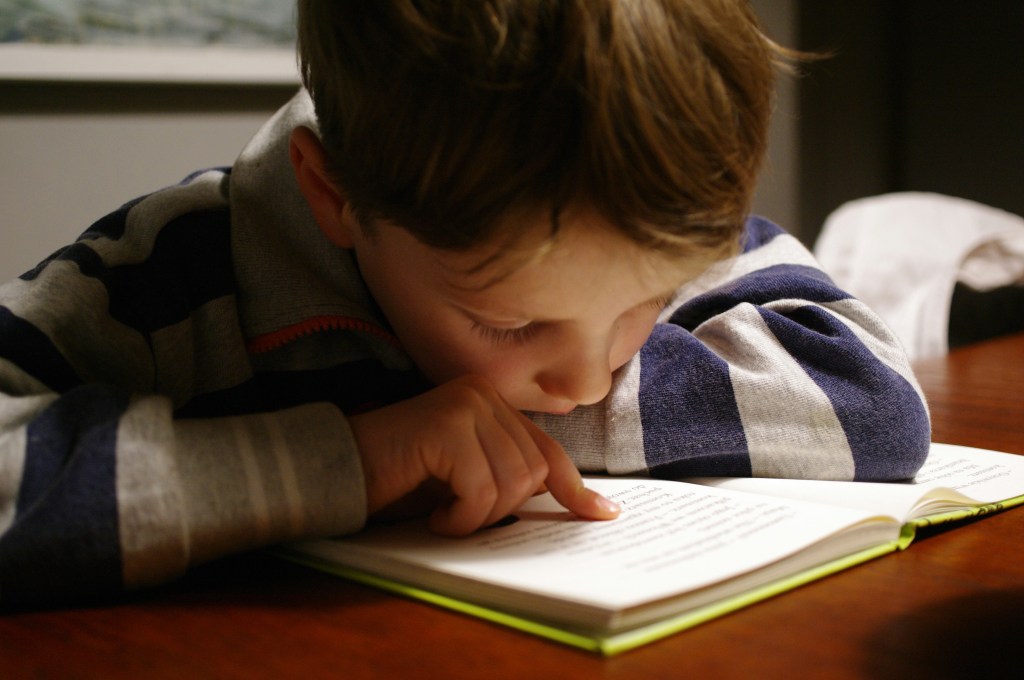
“Tell me a story.” Throughout history stories have been told in song and paint, whispered over campfires, shared during meals, or passed down through written works. Even a single photograph can tell a story by capturing a moment in time and solidifying our connection to it. Stories are woven into what it means to be human. But why do we crave these compilations of words, music and imagination? Many stories entertain us. They draw us in with compelling characters and tantalizing plots then hold us hostage until the final page. Stories can carry us to the past or transport us to parts of the world we might never have the chance to visit. Some stories make us laugh or cry, and some, the best in my opinion, make us think.
The gravity of what we do as storytellers should not be taken lightly. In our hands, we have the power to shape the way others see the world. Some stories are not easy to tell. They might bring us shame or cause us to feel vulnerable. They might upset some but bring comfort to others. Once we set our words on the page, we begin the trajectory of what will be. When we are children, we are taught the principles of cause and effect. As teenagers, we learn Newton’s Law of Motion and as adults we begin to understand how our actions ripple into the lives around us. Storytelling is a form of self-expression, and it should not be silenced. But I believe we also have a responsibility to our readers, listeners and viewers to write with integrity and goodwill.

My family recently visited the 9/11 Memorial and Museum in New York City. Every September 11th my husband and I comment on what we were doing that day, what we were thinking, and how we felt when we saw the towers collapse. But our children were born into a world where 9/11 is (to them) in the distant past. I worried the images, the sounds and first-hand accounts would be too much for their young minds but at the same time, the mother in me knew that the impact of what happened that day could not be felt on the pages of textbooks.
There is a difference between reading facts and figures and hearing the personal account of someone who felt the smoke in their lungs, who saw the planes hit with their own eyes and who lost someone they loved. This is where a story’s power lies. The ability to package an experience in a way that allows a reader to feel it in their heart is storytelling at its best.
In fiction, it’s easy and expected to create different fact patterns but the story should ring true to the character’s personalities, goals and motivations. However, when we are telling the true story of someone else’s experience, we owe it to them to honor their truth to the best of our ability. We should consider what might happen when someone opens the cover of our book or clicks on our link. How will that singular domino affect the others around it? Of course, we will never make everyone happy, and we might even cause division because good writing strikes the heart, not only the mind. But still, it is our responsibility as storytellers to weigh and consider our actions before offering our words to the world.
Storytelling is an admirable craft and one of the great joys of my life. If you are a new writer don’t shy away from the work it takes to become great. With every word you write you are one step closer to your goal. Lay a good foundation. Research and study everything you can. Learn from writers more experienced than yourself and in turn share what you’ve learned with others. Remember that every story we tell adds something new to the world. Be conscious with your creation and use your power wisely.
 PAULINE MARIE MORRIS
Leave a comment